
How to Create Personalized Diet Plans Online: A Step-by-Step Guide
Understanding Personalized Diet Plans
In today's digital age, creating a personalized diet plan online has become more accessible than ever. These plans are tailored to meet individual health needs, preferences, and goals, making them highly effective for achieving desired results. Whether you're looking to lose weight, gain muscle, or maintain a healthy lifestyle, a customized diet plan can be your roadmap to success.
Personalized diet plans take into account various factors such as age, gender, activity level, and dietary preferences. By considering these elements, you can create a plan that not only supports your health objectives but also fits seamlessly into your daily routine.
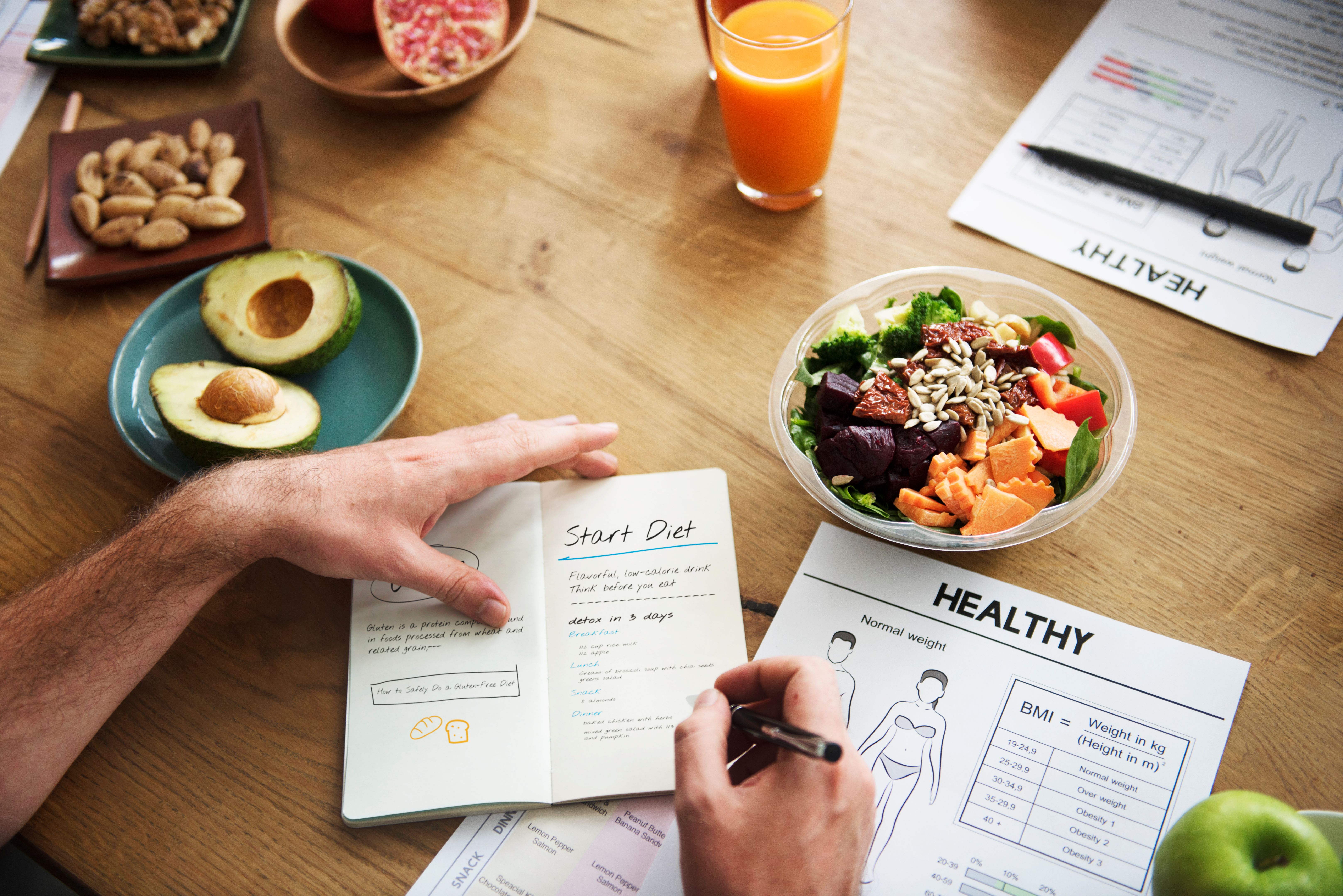
Step 1: Assess Your Goals and Needs
Before you start crafting your diet plan, it's crucial to clearly define your health goals. Are you aiming to lose weight, build muscle, or improve overall wellness? Understanding your objectives will guide the entire process. Additionally, consider any dietary restrictions or preferences you have, such as vegetarianism or food allergies.
Once you have a clear understanding of your goals, assess your current dietary habits. This will help you identify areas for improvement and ensure that your new plan is both realistic and sustainable.
Tools for Assessment
There are numerous online tools available that can help you assess your current diet and health status. These tools can provide insights into your daily calorie intake, nutrient distribution, and more, giving you a solid foundation from which to build your personalized plan.

Step 2: Research Nutritional Requirements
Understanding basic nutritional requirements is essential in creating an effective diet plan. Familiarize yourself with macronutrients (proteins, carbohydrates, and fats) and micronutrients (vitamins and minerals) to ensure a balanced approach. The right balance of these nutrients can greatly impact your energy levels, mood, and overall health.
Consult reputable sources or nutritionists to gather accurate information. This will help you make informed choices about the foods you include in your diet plan.
Caloric Needs
Calculating your daily caloric needs is another crucial step. This will depend on factors like your age, gender, and activity level. Online calculators can provide an estimate, helping you determine how many calories you should consume to meet your goals.
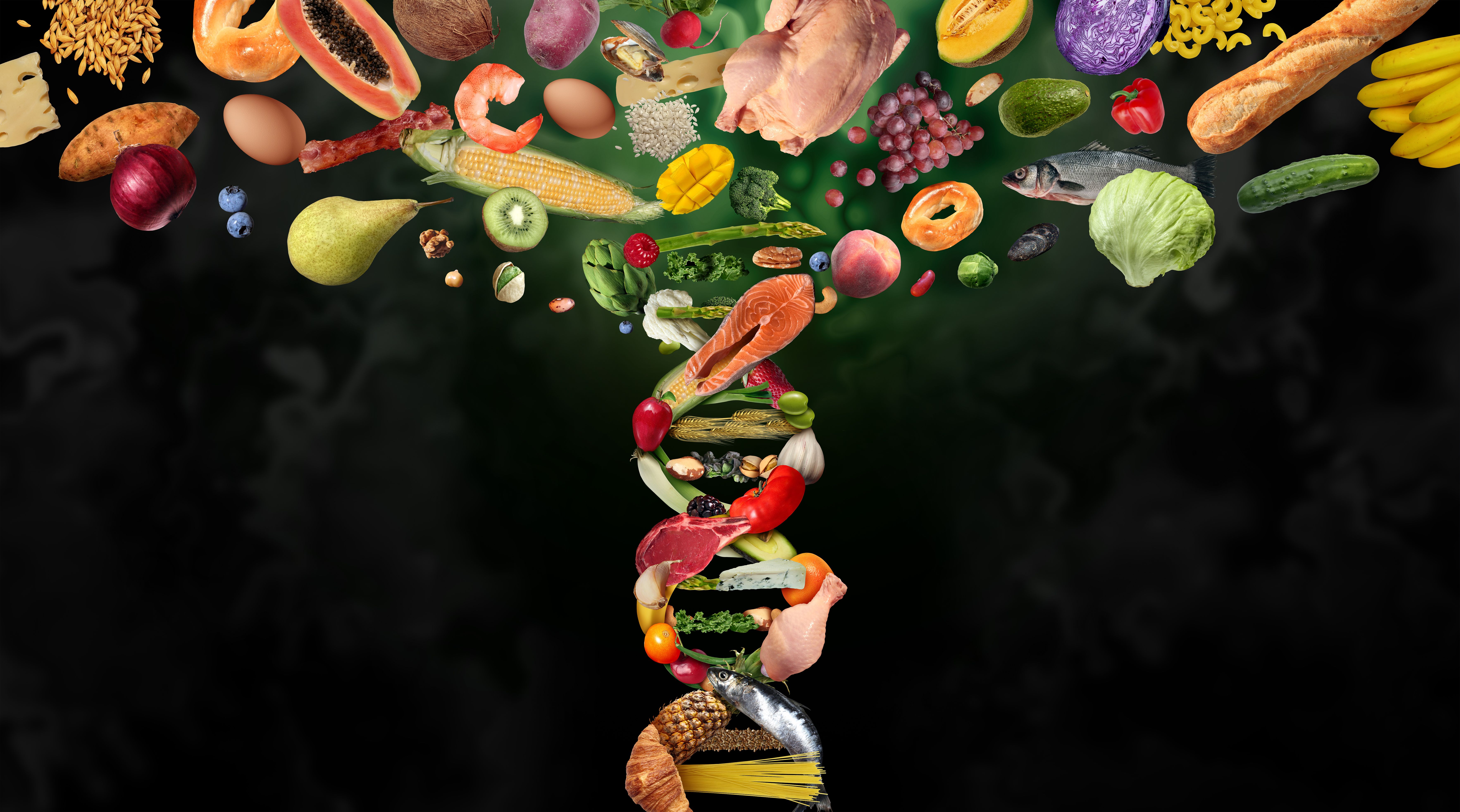
Step 3: Plan Your Meals
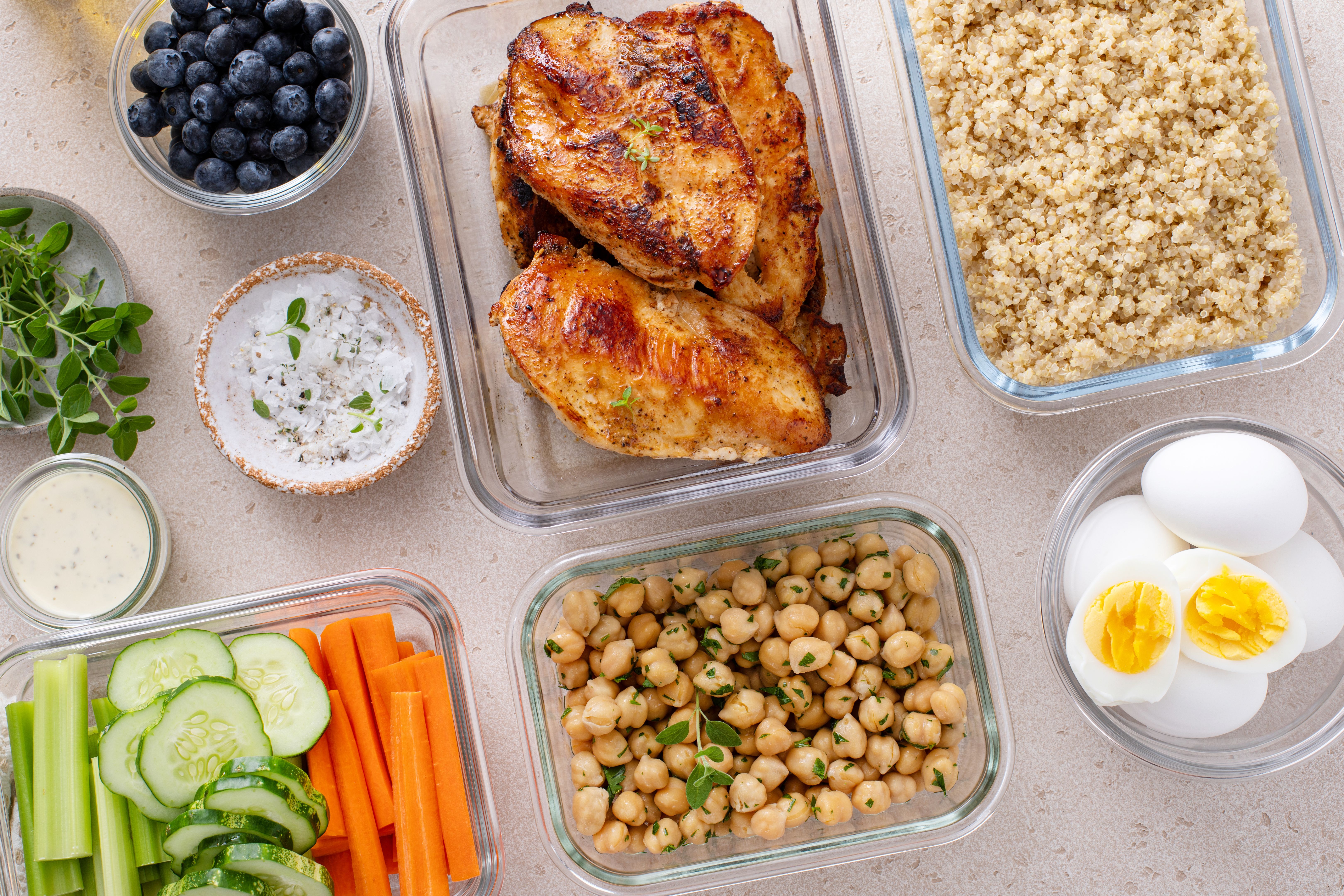
With a solid understanding of your goals and nutritional needs, you can start planning your meals. Aim for a balanced diet that includes a variety of food groups. This will ensure you get all the necessary nutrients while keeping your meals interesting and enjoyable.
Consider using meal planning apps that offer recipe suggestions based on your dietary preferences and goals. These tools can simplify the process and provide inspiration for new dishes.
Portion Control
Portion control is vital in maintaining a balanced diet. Pay attention to serving sizes and avoid overeating. Using smaller plates and measuring utensils can help you keep portions in check.
Step 4: Monitor and Adjust
Once your diet plan is in motion, it's important to monitor your progress. Keep track of your weight, energy levels, and any changes in your health. This will help you determine if the plan is working or if adjustments are needed.
Be open to making changes as necessary. Your dietary needs may evolve over time, and your plan should be flexible enough to accommodate these changes.
Seeking Professional Guidance
Don't hesitate to seek advice from nutritionists or dietitians if you encounter challenges. Their expertise can provide personalized insights and recommendations, ensuring your diet plan remains effective and aligned with your goals.

Creating a personalized diet plan online is an empowering process that puts you in control of your health journey. By following these steps, you can develop a plan that is tailored to your unique needs, setting you on the path to success.